Trezor.io/start: Your Step-by-Step Guide to a Secure Cryptocurrency Wallet
Managing cryptocurrency comes with great responsibility. Unlike banks or traditional accounts, digital assets cannot be recovered if private keys are lost or stolen. This is why using a hardware wallet like Trezor is one of the safest ways to store your crypto. The official Trezor setup starts at Trezor.io/start, which guides you securely through every step of initializing your wallet.
What Is Trezor.io/start?
Trezor.io/start is the official setup portal provided by SatoshiLabs, the company behind Trezor wallets. It’s designed to help users install verified firmware, create a secure wallet, and safely generate a recovery seed. Using the official page ensures your setup process is protected from phishing attacks, fake software, or other security risks.
Starting at Trezor.io/start guarantees that your wallet is authentic, secure, and ready for safe crypto management.
Why a Hardware Wallet Matters
Storing cryptocurrency on exchanges or online wallets exposes your funds to potential hacks, malware, or phishing. A hardware wallet keeps private keys offline, completely isolating them from internet-based threats.
Benefits of using a Trezor wallet include:
Offline key storage – Keeps your private keys away from hackers.
Physical transaction confirmation – All transactions must be approved directly on the device.
Open-source software – Ensures transparency and trust.
Support for multiple cryptocurrencies – Manage Bitcoin, Ethereum, Litecoin, Cardano, and more.
Secure recovery options – Restore access in case your device is lost, damaged, or stolen.
Trezor.io/start ensures these protections are correctly applied from the beginning.
Preparing for Setup
Before starting the setup, follow these steps:
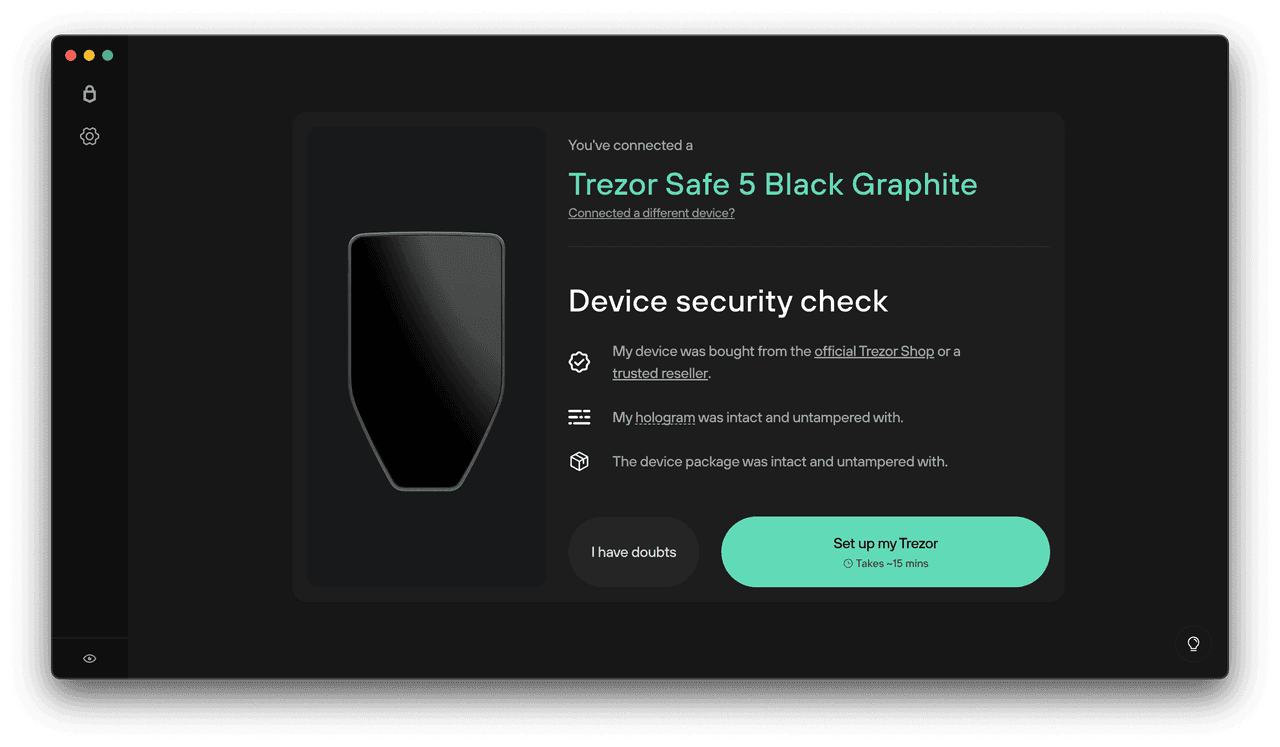
Inspect your device – Make sure the Trezor box is sealed and untampered.
Use a secure computer – Avoid public or potentially infected devices.
Have a backup plan ready – Keep pen and paper to record your recovery seed.
Once you’re ready, connect your Trezor device to your computer using the original USB cable.
Step-by-Step Setup Process
Step 1: Open Trezor.io/start
Use a secure browser and type Trezor.io/start manually in the address bar. Avoid clicking links from emails or advertisements. On the page, select your Trezor model to continue.
Step 2: Download and Install Trezor Suite
Trezor Suite is the official desktop application for managing your wallet. It allows you to send and receive crypto, monitor balances, and adjust security settings. Install the correct version for your operating system, then launch the app and connect your Trezor device.
Step 3: Install Firmware
New Trezor devices require firmware installation. Trezor.io/start guides you to install the latest verified firmware. Confirm all installations directly on the device to prevent unauthorized tampering.
Creating Your Wallet and Recovery Seed
After firmware installation, your device will prompt you to create a new wallet. During this process, a recovery seed is generated—usually 12 or 24 random words. This seed is your master backup for the wallet.
If your Trezor is lost, damaged, or stolen, the recovery seed allows you to restore your wallet on another compatible device.
Recovery seed best practices:
Write it down exactly as displayed.
Never store it digitally or online.
Avoid photos or screenshots.
Keep it in a secure, offline location.
Anyone with access to your recovery seed can control your wallet, so it’s critical to keep it safe.
Adding Extra Security Features
Once your wallet is created, you can enhance security with:
PIN protection – Prevents unauthorized access.
Passphrase protection – Adds an advanced security layer.
On-device transaction verification – Confirms each action manually on the device.
These features keep your private keys safe even if your computer is compromised.
Managing Your Cryptocurrency
After setup, Trezor Suite allows you to manage multiple cryptocurrencies, including:
Bitcoin (BTC)
Ethereum (ETH)
Litecoin (LTC)
Cardano (ADA)
Various ERC-20 tokens
The application makes it easy to send, receive, and monitor crypto while ensuring every transaction is confirmed on the hardware device.
Common Mistakes to Avoid
To maintain security:
Never type your recovery seed into any website or app.
Avoid unofficial wallet software or browser extensions.
Do not buy second-hand or preconfigured devices.
Always verify transaction details on the Trezor screen.
Following these practices significantly reduces the risk of theft or accidental loss.
Conclusion
Trezor.io/start is the official and safest way to set up a Trezor hardware wallet. It ensures secure firmware installation, proper wallet creation, and reliable backup of your recovery seed. By carefully following the instructions and protecting your recovery information, you take full control over your cryptocurrency and maintain peace of mind.
Trezor.io/start: Your Step-by-Step Guide to a Secure Cryptocurrency Wallet
Managing cryptocurrency comes with great responsibility. Unlike banks or traditional accounts, digital assets cannot be recovered if private keys are lost or stolen. This is why using a hardware wallet like Trezor is one of the safest ways to store your crypto. The official Trezor setup starts at Trezor.io/start, which guides you securely through every step of initializing your wallet.
What Is Trezor.io/start?
Trezor.io/start is the official setup portal provided by SatoshiLabs, the company behind Trezor wallets. It’s designed to help users install verified firmware, create a secure wallet, and safely generate a recovery seed. Using the official page ensures your setup process is protected from phishing attacks, fake software, or other security risks.
Starting at Trezor.io/start guarantees that your wallet is authentic, secure, and ready for safe crypto management.
Why a Hardware Wallet Matters
Storing cryptocurrency on exchanges or online wallets exposes your funds to potential hacks, malware, or phishing. A hardware wallet keeps private keys offline, completely isolating them from internet-based threats.
Benefits of using a Trezor wallet include:
Offline key storage – Keeps your private keys away from hackers.
Physical transaction confirmation – All transactions must be approved directly on the device.
Open-source software – Ensures transparency and trust.
Support for multiple cryptocurrencies – Manage Bitcoin, Ethereum, Litecoin, Cardano, and more.
Secure recovery options – Restore access in case your device is lost, damaged, or stolen.
Trezor.io/start ensures these protections are correctly applied from the beginning.
Preparing for Setup
Before starting the setup, follow these steps:
Inspect your device – Make sure the Trezor box is sealed and untampered.
Use a secure computer – Avoid public or potentially infected devices.
Have a backup plan ready – Keep pen and paper to record your recovery seed.
Once you’re ready, connect your Trezor device to your computer using the original USB cable.
Step-by-Step Setup Process
Step 1: Open Trezor.io/start
Use a secure browser and type Trezor.io/start manually in the address bar. Avoid clicking links from emails or advertisements. On the page, select your Trezor model to continue.
Step 2: Download and Install Trezor Suite
Trezor Suite is the official desktop application for managing your wallet. It allows you to send and receive crypto, monitor balances, and adjust security settings. Install the correct version for your operating system, then launch the app and connect your Trezor device.
Step 3: Install Firmware
New Trezor devices require firmware installation. Trezor.io/start guides you to install the latest verified firmware. Confirm all installations directly on the device to prevent unauthorized tampering.
Creating Your Wallet and Recovery Seed
After firmware installation, your device will prompt you to create a new wallet. During this process, a recovery seed is generated—usually 12 or 24 random words. This seed is your master backup for the wallet.
If your Trezor is lost, damaged, or stolen, the recovery seed allows you to restore your wallet on another compatible device.
Recovery seed best practices:
Write it down exactly as displayed.
Never store it digitally or online.
Avoid photos or screenshots.
Keep it in a secure, offline location.
Anyone with access to your recovery seed can control your wallet, so it’s critical to keep it safe.
Adding Extra Security Features
Once your wallet is created, you can enhance security with:
PIN protection – Prevents unauthorized access.
Passphrase protection – Adds an advanced security layer.
On-device transaction verification – Confirms each action manually on the device.
These features keep your private keys safe even if your computer is compromised.
Managing Your Cryptocurrency
After setup, Trezor Suite allows you to manage multiple cryptocurrencies, including:
Bitcoin (BTC)
Ethereum (ETH)
Litecoin (LTC)
Cardano (ADA)
Various ERC-20 tokens
The application makes it easy to send, receive, and monitor crypto while ensuring every transaction is confirmed on the hardware device.
Common Mistakes to Avoid
To maintain security:
Never type your recovery seed into any website or app.
Avoid unofficial wallet software or browser extensions.
Do not buy second-hand or preconfigured devices.
Always verify transaction details on the Trezor screen.
Following these practices significantly reduces the risk of theft or accidental loss.
Conclusion
Trezor.io/start is the official and safest way to set up a Trezor hardware wallet. It ensures secure firmware installation, proper wallet creation, and reliable backup of your recovery seed. By carefully following the instructions and protecting your recovery information, you take full control over your cryptocurrency and maintain peace of mind.